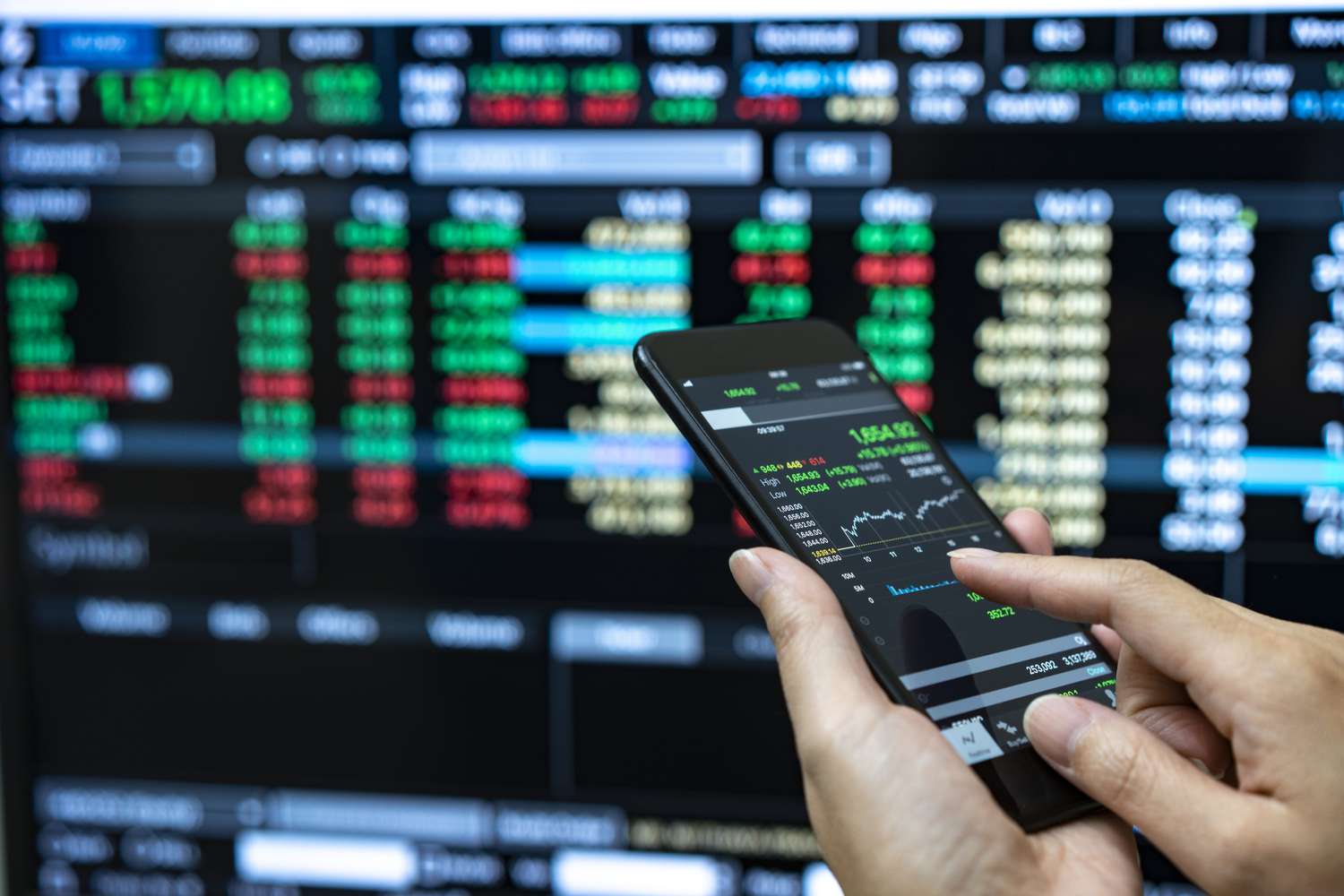
The Forex market presents a multitude of opportunities for traders, often proving to be both profitable and exhilarating. Among the various segments of this market, the spot market holds significant importance due to its substantial trading volume. It is termed the "spot market" because transactions are settled immediately, or "on the spot."
Engaging in Forex trading, however, comes with inherent risks. It is imperative for traders to fully comprehend the implications of margin trading along with the specific challenges and opportunities presented by foreign exchange trading. While trading in the Forex market offers distinct advantages, a clear understanding of each trade's mechanics is essential. Traders must be aware of their motivations for entering a trade and maintain a composed mindset. Emotional responses such as fear and greed can severely undermine the success of a Forex trader.
There are two primary methodologies employed in Forex trading: technical analysis and fundamental analysis.
Technical Analysis focuses on price movements and employs charting techniques to identify patterns. This approach centers on price action and market behavior. By utilizing various indicators, traders can effectively recognize patterns and confirm potential trades. It is not necessary to rely on an extensive array of indicators; typically, 2-3 well-chosen indicators can suffice, particularly when combined with price patterns.
Most trading platforms provide access to a variety of indicators, with calculations performed automatically. However, relying solely on indicators poses challenges. Indicators are often lagging, meaning they reflect past price movements rather than current market conditions. This reliance can lead traders to focus exclusively on the right side of the chart, neglecting the left side, which reveals historical price behavior. Understanding this "bigger picture" is crucial for identifying valuable trading opportunities.
Momentum Analysis serves as a tool for measuring changes in Forex trends over specific timeframes. Certain momentum indicators can indicate whether a currency is overbought or oversold, making them valuable assets in technical analysis.
On the other hand, Fundamental Analysis interprets price movements as a result of economic and political events. This method involves analyzing economic indicators, significant political decisions, and social issues that impact currency values. Key economic data, such as interest rates and employment figures, can substantially influence market dynamics.
Fundamental analysis is an effective means of forecasting economic conditions, though it may not always provide precise predictions of market prices.
While it is crucial to avoid overwhelming oneself with excessive information, simplicity often proves to be the most effective trading strategy. Nevertheless, a solid understanding of both fundamental and technical analysis is essential for successful Forex trading. By integrating these methodologies, traders can enhance their decision-making processes and improve their overall trading performance.

Categories
Articles
News
Investors Digests
Main Courses
News
Strategies
Indicators
Guides
Workbooks
Glossary
Lessons
A Glossary
B Glossary
C Glossary
D Glossary
E Glossary
F Glossary
G Glossary
H Glossary
I Glossary
J Glossary
K Glossary
L Glossary
M Glossary
N Glossary
O Glossary
P Glossary
Q Glossary
R Glossary
S Glossary
T Glossary
U Glossary
V Glossary
W Glossary
X Glossary
Y GLossary
Z GLossary
Recent posts


Yield Curve
26 Nov 2024
Zcash
26 Nov 2024
Zilliqa (ZIL)
26 Nov 2024